
Fans move warm air around. Air conditioning costs money to buy and run. Neither stops heat getting into your home in the first place.
That’s the smarter approach: block the heat before it arrives. UK homes are designed to trap warmth, so a few deliberate habits and one structural check can make the difference between a comfortable bedroom and a sleepless night.
Here are six ways to keep your home cooler this summer, starting with the simplest.
1. Close Blinds and Curtains During the Hottest Hours
Sunlight streaming through glass is the biggest source of indoor heat gain in summer. A single south-facing window can act like a radiator on a hot afternoon.
The routine:
- Close blinds or curtains on south-facing and west-facing windows from late morning
- Keep them closed until the sun moves off those windows, usually by early evening
- Open everything up once the outside air is cooler than the inside air
It feels counterintuitive to shut out a sunny day. Test it once. Leave one room shaded and one room open on a hot afternoon, then compare the temperatures at 4pm. The difference is often several degrees.
2. Upgrade to Thermal or Blackout Curtains
Standard curtains slow sunlight. Thermal and blackout curtains block it.
- Blackout curtains stop solar gain almost entirely when closed
- Thermal linings add a barrier that reflects heat back towards the window
- Both also work in winter, holding warmth in when temperatures drop
Pale or white backing facing the window performs best, because lighter colours reflect more heat. Bedrooms benefit most. A room that stays shaded through the afternoon starts the night cooler, which matters more for sleep than anything you do at 11pm.
3. Check Your Loft Insulation, the Overlooked Summer Tool
Most people file loft insulation under winter. That’s only half its job.
On a hot day, roof tiles can reach well over 50 degrees. That heat radiates down through the roof space and into the rooms below. Effective loft insulation slows that transfer the same way it slows heat escaping in January. It works in both directions.
For insulation to do this job properly, two things must be true:
- Full depth. Current guidance recommends at least 270mm of mineral wool. Thin or patchy coverage lets roof heat straight through.
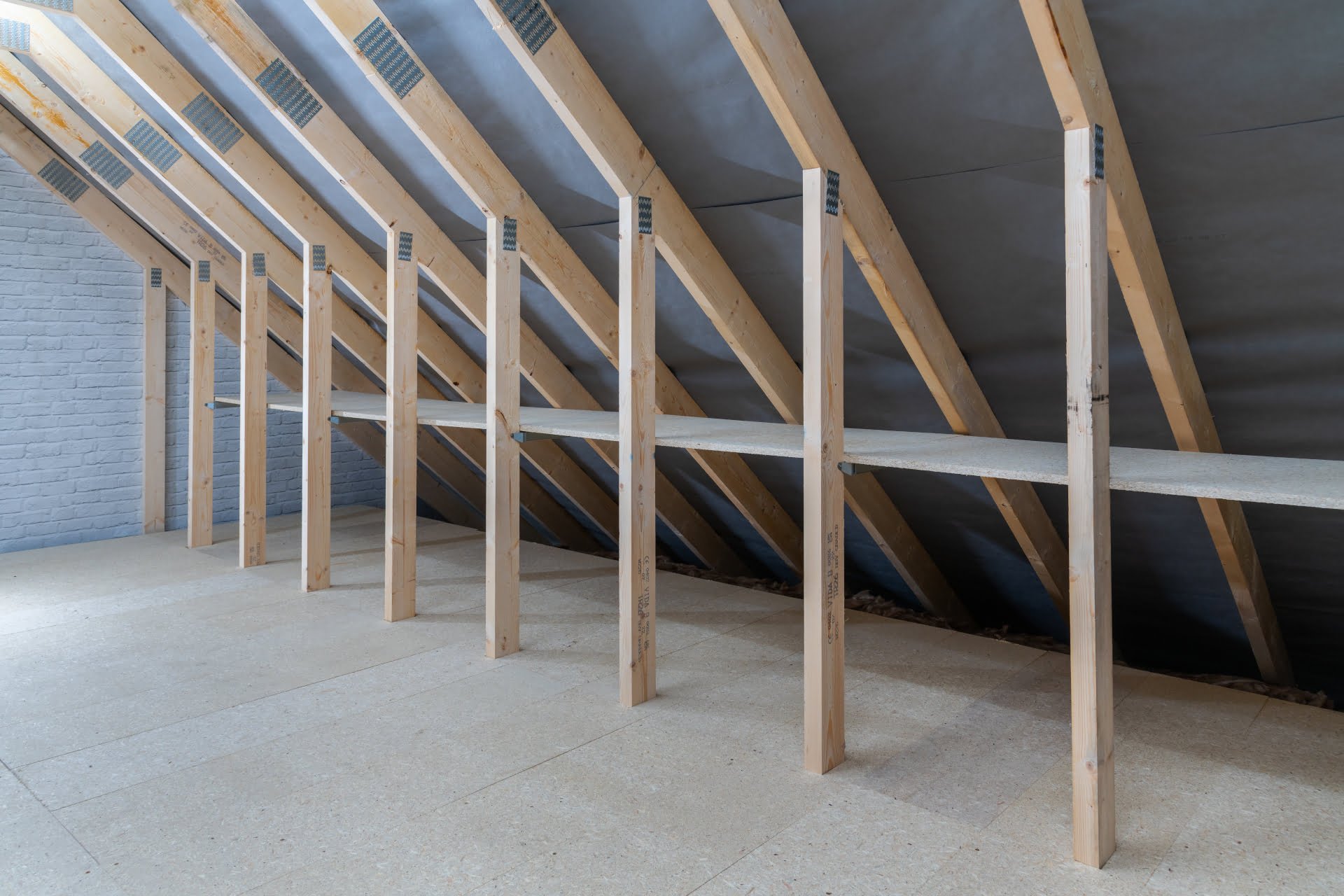
- No compression. Insulation works by trapping air. Boards laid directly on joists or boxes stored on top of the material squash it flat and can halve its performance.
If your upstairs bedrooms turn into ovens every July, climb into the loft and check both points. Compressed or shallow insulation above a bedroom is a direct route for roof heat.
The fix does not mean giving up loft storage. A raised loft boarding system such as LoftZone StoreFloor lifts your storage floor above the full depth of insulation. The insulation keeps working at full strength, an air gap above it helps the loft shed heat and moisture, and you keep every box you wanted to store.
4. Stop Generating Heat Indoors at Peak Times
On a hot day, your appliances work against you. Each one adds heat your home then struggles to lose.
The main offenders:
- Ovens and hobs pump heat straight into the kitchen. Swap to salads, cold plates or barbecues, or cook early in the morning
- Tumble dryers generate serious warmth. Line-dry outside, which works fastest on exactly the days you want the dryer off
- Dishwashers release heat and steam. Run them late at night
- Televisions, consoles and computers all give off warmth. Switch them off rather than leaving them on standby in rooms you want cool
Even lighting counts. If you still have halogen bulbs anywhere, they run hot. LED replacements give off a fraction of the heat and cut your electricity use too.
5. Switch to Lighter Bedding and Breathable Fabrics
You cannot always control the room temperature. You can control what surrounds you in it.
- Swap the winter duvet for a low-tog summer duvet, or just a sheet on the hottest nights
- Choose cotton or linen bedding, which lets heat and moisture escape rather than trapping it the way polyester blends do
- Apply the same thinking to sofas and chairs, since lighter covers and fewer heavy throws hold less warmth in living spaces
- Wear loose cotton or linen nightwear for the same reason
These changes do not lower the temperature on a thermometer. They change how the temperature feels, which is what decides whether you sleep.
6. Create Shade Outside Before Heat Reaches the Glass
The best place to stop solar heat is outside the window, before it touches the glass.
Options range from free to permanent:
- Plants and trees. Climbers on a trellis or a well-placed deciduous tree shade summer sun, then drop leaves and let winter light through
- Awnings. Retractable awnings over south-facing windows or patio doors cut heat gain on demand
- External shutters. Common across southern Europe for good reason, they block heat before it enters and add security
- Pergolas and sail shades. These cool patios and stop hard surfaces near the house storing heat that radiates indoors all evening
External shading can reduce solar gain far more than internal curtains alone, because the heat never gets inside to begin with.
Build Your Cool-Home Routine Before the First Heatwave
Put the six steps together and they form a simple daily rhythm:
- Morning: ventilate while the air is cool, then close windows, blinds and curtains
- Daytime: avoid the oven, dryer and dishwasher, keep electronics off in unused rooms
- Evening: open up, flush the warm air out, and sleep under breathable bedding
Then make the one structural check that pays back every season: your loft. Insulation at full depth, uncompressed, with clear airflow above it keeps roof heat out in July and home heat in come December.
If boarding or storage is currently squashing your insulation, LoftZone StoreFloor solves it, raising your storage floor above the insulation so both can do their jobs. It is available as a DIY kit or professionally installed.
Browse our range or contact the team for advice before summer arrives.