
Before starting any loft project, it’s important to know what you need from the space. One of the most common questions homeowners ask is about the difference between loft boarding and a loft conversion. These options serve very different purposes, involve different costs, and suit different home layouts.
Understanding the difference can help you make a practical decision, avoid unnecessary expenses, and unlock the full potential of your loft.
Understanding the Purpose of Your Loft
The first step is identifying how you plan to use the loft.
Do you need additional living space for a bedroom, office, or gym, or do you primarily want extra loft storage to declutter your home? Clarifying your goal makes it easier to choose the right approach and ensures the investment matches your needs.
What Is a Loft Conversion?
A loft conversion transforms an unused loft into a liveable room. Popular uses include an extra bedroom, home office, or gym. A conversion involves major structural work, including reinforced flooring, insulated walls and ceilings, windows or dormers, electrical wiring, heating, and staircase installation.
Conversions are usually suited to homes with relatively high roof heights, as smaller lofts can feel cramped once converted. Planning permission and building regulations approval may also be required. Conversions are much more expensive (think: several tens of thousands of pounds, or even over £100,000 sometimes) and much more disruptive than loft boarding, as it will take several months from start to finish, but they add living space and long-term value to the home.
What Is Loft Boarding?
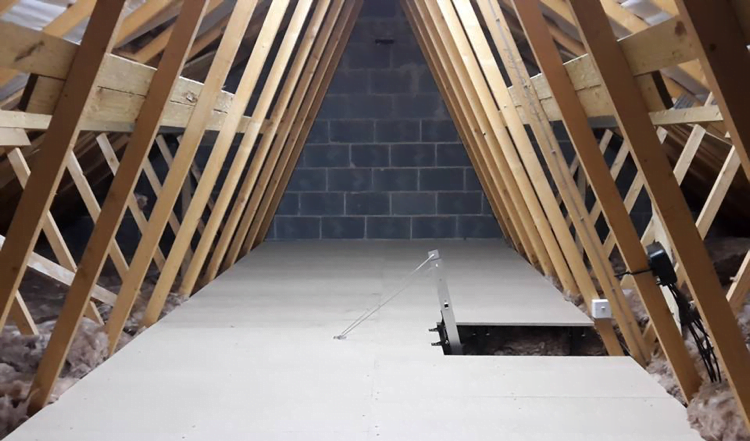
Loft boarding is designed to create safe and practical loft storage without turning the space into a living area. It involves installing solid panels above existing insulation to provide a stable surface for storing boxes, suitcases, and other household items. Unlike conversions, loft boarding does not involve walls, ceilings, or extensive electrical work.
Modern loft boarding systems, such as a raised loft flooring system for storage, protect insulation while making the space usable. This allows you to store heavier items safely while maintaining energy efficiency.
Comparing Loft Boarding and Loft Conversion
Loft conversions and loft boarding differ in purpose, cost, and complexity. Conversions create a liveable room that can be used daily but require professional installation, structural changes, and a significant budget. Loft boarding, in contrast, focuses on practical loft storage, is far less expensive, and can often be installed using a DIY kit or professional help, usually within a day or so.
If your goal is simply to increase storage space and make the loft safer to use, loft boarding is definitely the more sensible and cost-effective option. Conversions are best suited to those who genuinely need extra living space and are prepared for a larger project. Both options will increase the value of your property, but an extra bedroom from a conversion much more so.
Installation and Professional Help
Loft boarding can be installed by homeowners using a DIY system with clear instructions, or you can hire a professional. Following a detailed loft installation guide ensures boards are fitted safely and insulation is protected.
For peace of mind, using approved loft boarding installers guarantees the system is installed correctly and meets safety standards. Conversions, however, always require licensed builders, electricians, and structural specialists due to the complexity of the work.
Safety and Accessibility
Access and safety are key considerations. Loft storage areas are generally accessed via a loft ladder and hatch, allowing you to use the space when needed and close it away afterwards. Conversions require a permanent staircase and must comply with strict fire safety regulations, including escape routes and smoke alarms.
If your goal is occasional access for storage, loft boarding avoids the need for permanent staircases and ongoing maintenance.
Making the Most of Loft Storage
A raised flooring system maximises loft storage by creating a safe, level surface for boxes and household items without compressing insulation. This allows you to organise seasonal items, suitcases, and rarely used belongings efficiently. Using a raised loft flooring system designed for storage ensures insulation remains effective while giving you solid, usable floor space.
For best results when using your loft for storage, consider:
- Consider using loft shelving, lighting and wardrobes
- Ensuring the loft hatch and ladder remain clear for safe access
- Avoid stacking items directly on top of insulation, as compressing insulation stops it from working.
Choosing the Right Option for Your Home
When deciding between loft boarding and a conversion, consider your primary goal, loft size, budget, and tolerance for disruption. For most homeowners seeking additional loft storage, boarding is the simplest and most cost-effective solution. Conversions are most suitable when extra living space is genuinely needed, and the loft has the headroom and layout to support it.
Final Thoughts
Loft conversions and loft boarding serve distinct purposes. Conversions create new living areas, while loft boarding creates practical loft storage that declutters your home efficiently. If your aim is to reclaim space safely, protect insulation, and improve organisation, loft boarding is the ideal solution.
Ready to transform your loft into safe, organised storage? Explore our Storefloor loft boarding system or book one of our approved loft boarding installers today to unlock your loft’s full potential.