
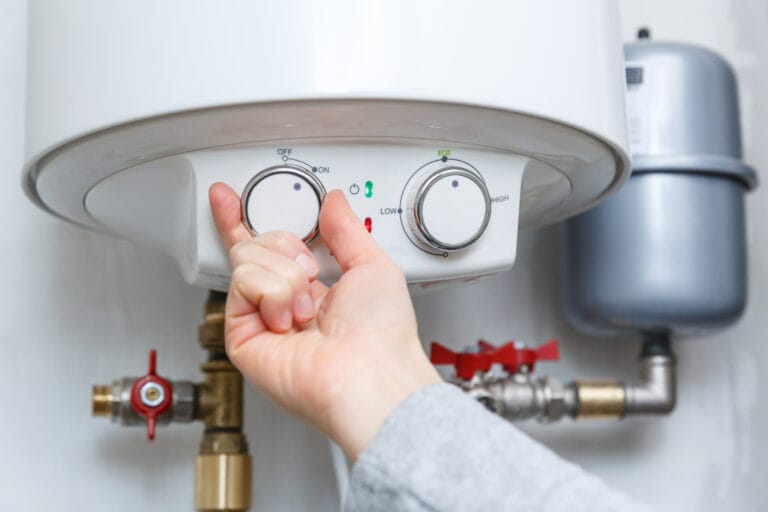
Installing a boiler in your home’s loft is an excellent idea. It is a great way to free up space and improve the aesthetics if you are not a fan of pipework in your living areas.
But, there is a catch.
Installing the boiler in the loft is a process that comes with many challenges and can go very wrong if you don’t have the proper knowledge before making a decision. Whether you are looking to move an existing boiler or install a new one, it is important to understand the various factors involved. From meeting safety and regulatory requirements to ensuring proper installations, we will walk you through the pros and cons, the steps and share some user experiences to help you make the best decision for your home.
Benefits of Installing a Boiler in the Loft
At the start of this guide, we briefly discussed why installing a boiler in your loft is a good idea, and we stand by that! Let’s delve into this topic further:
- Maximising Living Space: Boilers come in all shapes and sizes, but they all have one commonality: They take up space. Boilers have the capacity to be bulky things, and the components associated with them, like pipes, valves, etc., can clutter up the areas that are part of your daily living. Reclaiming these spaces by installing a boiler in the loft makes these areas more functional and open, especially if the home you live in is on the smaller side of architecture.
- Improved Home Aesthetics: Not only do boilers take up space, but they can also impact the home’s aesthetics. Now, we are not going to assume that everyone dislikes the pipework look, but we can confidently say that exposed pipework and bulky units can dominate a living area, and usually, hiding these is a practical and visual advantage. It creates a cleaner, more minimalist look, more aesthetically pleasing than crisscrossing pipework.
- Quieter Living Areas: Boilers are noisy; that is just a fact. The older ones are the main culprits when it comes to noise, but even the newer models are known to create enough noise that can be loud and disruptive if the boiler is situated in a living space. By installing the boiler in the loft, the reduction of noise can create a more peaceful environment, especially in those winter times when the boiler is going to be operating more than usual.
Regulatory and Safety Considerations for Loft Boiler Installation
When considering installing a boiler in the loft, safety and regulatory requirements must always be at the back of your mind. The boiler installation needs to be compliant with local regulations and safety standards, not only to protect yourself and your home, but also others around you, like your neighbours.
Health and Safety Executive (HSE) Guidelines
The HSE has set out specific guidelines for any installation involving gas appliances, including boilers. This is the safeguarding roadmap that they have laid out for all homeowners. Some of these safety standards include:
- Flooring: The loft space must have a solid, level floor capable of supporting the weight of the boiler and other equipment.
- Lighting: Adequate lighting is required to ensure the space is safe, especially when necessary maintenance or repairs are needed.
- Access Requirements: The loft must be accessible enough for safe installation, maintenance, and repairs. This often means having a fixed ladder or permanent staircase rather than just a pull-down loft hatch.
Building Regulations
Building regulations need to be followed to ensure that your installation meets safety and efficiency standards. The regulations can differ due to location, but generally cover:
- Ventilation: Adequate ventilation is vital to ensure that the boiler operates efficiently and safely, as failure to do so may cause a buildup of harmful gases, such as carbon monoxide.
- Energy Efficiency Standards: New boiler installations must comply with regulations such as Building Regulations Part L so that they follow the standards to reduce energy emissions and lower energy consumption.
- Clearance Space: The boiler needs enough space around it to allow for safe operation and easy access for servicing and repairs.
Consult your local building authority or a professional installer to ensure compliance with these regulations.
Gas Safe Certification
Now, the most crucial part. When installing the boiler in the loft, you will need to make sure it is being carried out by a Gas Safe registered engineer. If you are one yourself, perfect; if not, this certified engineer ensures that the work is completed safely and to a high standard within the gas safety regulations.
As the work that is carried out with boiler installation involves gas, these are the factors that are taken into account during this process:
- Gas Supply: Ensuring the gas supply to the loft is properly connected and compliant.
- Flue Installation: Properly installing the flue, which expels gases from the boiler, is vital to avoid the risk of carbon monoxide poisoning.
- Testing: A Gas Safe engineer will test the system for leaks and ensure it is safe to operate before use.
Using a Gas Safe registered professional ensures safety and is often a legal requirement for any gas work.
Loft Boiler Installation Process
If you’ve decided that installing a boiler in the loft is the right move for your home, the next step is understanding how the process unfolds. This isn’t a one-size-fits-all situation; the steps can vary depending on your home’s layout, the boiler model you choose, and the current condition of your loft.
Choosing the Right Boiler for Loft Installation
Not every boiler is suited for loft installation. Combi boilers are usually the most popular choice because they don’t require separate tanks or cylinders, making them more compact and easier to house in tighter spaces. If you currently have a regular or system boiler with hot water storage, switching to a combi might be worth considering to simplify the setup.
That said, if your household has high hot water demand (think multiple bathrooms or a large family), sticking with a system boiler may still be the better option. It all comes down to what your home needs in terms of performance and space.
User Experiences: The Challenges of Installing a Boiler in the Loft
While installing a boiler in the loft may seem like a clever way to optimise space, many homeowners have shared experiences that highlight potential downsides to this decision. Here, we’ll dive deeper into some of the challenges they’ve encountered:
- Accessibility Issues: Many homeowners report poor accessibility to their loft-installed boilers. Narrow staircases, steep ladders, and cramped spaces make maintenance and repairs more difficult. Engineers often struggle to reach the system, which can lead to higher costs for additional work or equipment.
- Temperature Variations and Freezing Risks: Lofts tend to be colder than other parts of the house, and this can cause issues with freezing pipes, especially during winter. Some forum users have talked about facing problems with pipes freezing in the cold, which can result in expensive repairs if the system isn’t adequately insulated.
- Higher Installation and Maintenance Costs: While moving the boiler to the loft may seem like a cost-saving move, the extra expenses can quickly add up. Homeowners often find themselves spending more on reinforcing the loft floor, improving access (e.g., installing a loft ladder), and ensuring proper insulation and safety measures, which can offset the initial savings.
- Longer Detection of Issues: Boilers located in the loft can lead to delayed detection of issues. Minor problems, such as leaks or malfunctions, may go unnoticed until they cause significant damage. Homeowners have reported discovering issues too late, which leads to costly repairs and water damage.
- Potential Health and Safety Risks: Improperly vented or condensation-prone boilers in the loft space can lead to dampness, mould, and mildew. If not managed correctly, these can affect the air quality in the home and potentially cause health concerns.
How to Overcome Boiler Installation Challenges in the Loft
Though we outlined some cons that need your attention when installing a boiler in the loft of your home, these are issues that are also easily managed. Here is how you can tackle them:
- Access Issues: Installing a high-quality and sturdy loft ladder or a fixed staircase makes the boiler easier to reach for maintenance and repairs.
- Freezing Temperatures: Insulating both the loft space and pipes can prevent freezing, ensuring the boiler runs smoothly during winter.
- Higher Installation Costs: While initial costs can be higher, reinforcing the loft floor and proper insulation are long-term investments that improve efficiency and reduce future repairs.
- Detecting Problems Early: Installing a monitoring system can help track boiler performance and catch any issues before they become serious.
- Ventilation and Air Quality: Proper ventilation is key to preventing dampness, mould, and mildew. Ensure your loft has adequate airflow to keep the space healthy and safe.
Cost Considerations for Installing a Boiler in the Loft
The cost of installing a boiler in your loft can vary based on several factors, such as the type of boiler, its capacity, and how complex the installation is. Generally, you can expect the cost to range between £1,500 and £3,500. Additional costs may come from preparing the loft space, like reinforcing the floor, improving insulation, or ensuring proper ventilation. These factors all contribute to the overall price.
Long-Term Savings
While the initial investment may seem steep, a loft-installed boiler can bring long-term savings. By freeing up living space and reducing clutter, you’ll likely improve the efficiency of your home. Energy-saving measures, such as proper insulation and efficient boiler operation, can also lead to reduced energy bills over time. Plus, with the boiler tucked away in the loft, you’ll experience less noise in your living spaces, which can make a big difference during colder months when the boiler is in use more often.
Frequently Asked Questions
Can I install a combi boiler in the loft?
Yes, combi boilers are ideal for loft installation as they are compact and do not require separate tanks or cylinders.
Is installing a boiler in the loft safe?
It is safe as long as the installation follows building regulations and is carried out by a Gas Safe registered engineer.
Do loft-installed boilers need extra insulation?
Yes, lofts are more prone to cold, so insulating the space and pipework is essential to avoid freezing and improve efficiency.
Is it more expensive to install a boiler in the loft?
Upfront costs can be higher due to structural preparation and safety measures, but the long-term benefits often justify the investment.
What are the downsides of installing a boiler in a loft?
Access, freezing risks, and higher maintenance costs are potential drawbacks, all of which can be managed properly.
Conclusion
Installing a boiler in the loft can significantly improve your living space and bring many benefits, from better aesthetics to reduced noise. However, it’s essential to consider the challenges, such as installation complexity, associated costs, and potential access or temperature issues.
Before making a final decision, take the time to assess all these factors. Consulting with a professional installer ensures the process is safe, complies with regulations, and is optimised for your home. They’ll help guide you through the best options based on your home’s layout and your specific needs.
If you’re considering installing a boiler in your loft or need help assessing the potential challenges, contact us. Our team is here to help you maximise your loft’s potential and ensure your boiler installation is a smooth and efficient.