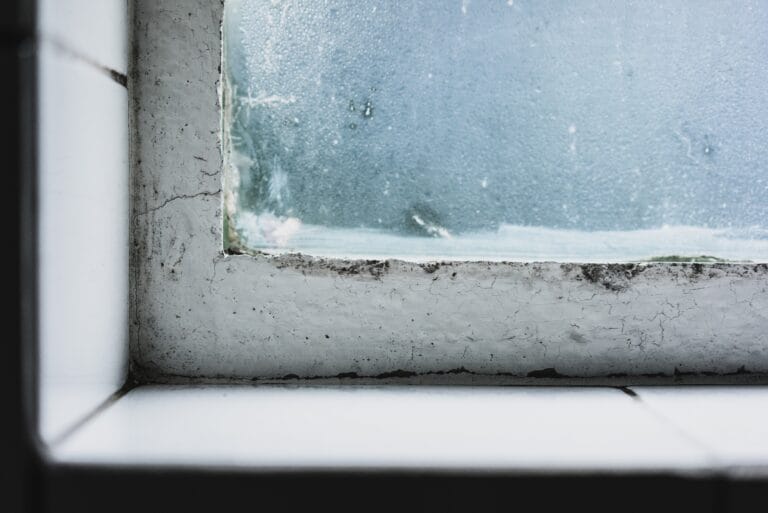
Open your loft hatch on a cold morning and you might find water droplets on the underside of the roof. Or damp patches on your insulation. Or a musty smell that wasn’t there in summer.
That’s condensation, and winter is when it shows up the most. Left alone, it leads to mould, rotten timber and insulation that no longer works properly.
Here’s why it happens and what actually stops it.
Why lofts get condensation in winter
Condensation forms when warm, moist air meets a cold surface. Your loft has both, all winter long.
Every home produces water vapour. You create it when you cook, shower, dry washing indoors, and even just breathe. That warm, moist air rises. If it finds its way into your loft, it hits the cold underside of your roof and turns back into water.
In summer, this barely registers. In winter, the temperature gap between your warm house and your cold roof is much bigger, so the problem gets much worse.
Signs you have a condensation problem
Check for these on a cold morning, ideally before the sun warms the roof:
- Water droplets on the underside of the roof covering or rafters
- Damp or discoloured patches on your insulation
- A musty or damp smell when you open the hatch
- Black mould spots on timber, especially near the eaves
- Rusty nail heads poking through the roof felt
- Sagging or stained ceiling patches in the room below
Any one of these is worth investigating. Several together mean it’s time to act. If you’re not sure what you’re looking at, our FAQs cover the most common questions, or you can get in touch directly.
What lets moist air into your loft
Warm air doesn’t need much of a gap to find its way up. The usual culprits are:
Gaps around the loft hatch. An unsealed hatch is one of the biggest and easiest routes for warm air to escape upward. If your hatch is due an upgrade anyway, take a look at our loft ladders range, since a new hatch and ladder can be fitted together.
Bathroom extractor fans that vent into the loft instead of outside. This is common in older installations and pushes moisture directly into your loft space every time the fan runs.
Gaps around pipes and cables. Anywhere a pipe, cable or light fitting passes through your ceiling, warm air can follow it up.
Recessed downlights without proper covers. These create a direct path for warm air to rise straight into your loft.
Why insulation alone doesn’t solve it, and can make it worse
Insulation keeps your home warm. It doesn’t stop condensation on its own, and fitting it badly can add to the problem.
If insulation is packed right up against the roof felt or membrane with no gap, moist air has nowhere to go once it reaches that cold surface. It sits there, and so does the moisture.
This matters even more depending on what your roof felt is made from:
- Modern breathable membranes let some moisture pass through them, so they’re more forgiving.
- Older bitumen felt is not breathable. If your loft has this type, an airflow gap between the insulation and the felt is essential, not optional.
If you don’t know which type your roof has, treat it as non-breathable and leave the gap anyway. It costs you nothing to be careful.
How to stop loft condensation
You need warm, moist air to stay out of your loft, and any air that does get in to have somewhere to go.
Seal the gaps first
- Fit a well-sealed loft hatch, or add a strip of foam draught excluder to your existing one
- Seal gaps around pipes, cables and light fittings with a fire-rated sealant
- Fit proper cover boxes over any recessed downlights before insulating around them
Check your extractor fans
- Confirm bathroom and kitchen extractor fans vent all the way outside, not into the loft space
- If a fan currently vents into the loft, reroute the ducting outside as soon as you can
Keep your eaves clear
- Check that vents at the eaves aren’t blocked by insulation, boxes or debris
- Leave a clear air gap at the eaves so air can move through the loft space, not just sit in it
Leave a gap above your insulation
- Keep a gap of at least 25mm between the top of your insulation and the roof felt or membrane
- Never compress insulation flat against the underside of the roof
- If you’re storing boxes in the loft, don’t let them push insulation up against the roof either
This is where a raised boarding system earns its keep. LoftZone StoreFloor sits on legs above your insulation rather than flattening it, so the airflow gap stays in place even once you’re using the loft for storage. Our install guide shows exactly how the gap is maintained during fitting.
Add background ventilation if needed
In some lofts, especially older ones with limited eaves ventilation, additional roof vents may be needed. This is a job for a roofer, since it depends on your specific roof construction. A LoftZone installer can also advise on this as part of a wider boarding job.
What to do if you already have condensation damage
- Wet insulation needs to dry out fully. If it’s been wet for a long period, it may need replacing, since compressed or saturated insulation loses much of its effectiveness.
- Mould on timber should be treated with a fungicidal wash once the underlying moisture problem is fixed. Treating mould without fixing ventilation just means it comes back.
- Stained ceilings usually clear up once the loft itself dries out, but persistent staining after fixing ventilation is worth getting checked by a professional.
When to call a professional
Get an expert opinion if:
- You have signs of structural timber damage, not just surface mould
- You’re not sure whether your roof felt is breathable or not
- The condensation keeps coming back after you’ve sealed the obvious gaps
- You’re planning to board and insulate a loft that already shows signs of damp
A LoftZone installer can assess your loft and confirm the right approach for your roof type before any boarding goes in. If you’d rather talk it through first, contact us directly.
The bottom line
Loft condensation isn’t caused by one single thing. It’s warm air finding a way up, a cold roof for it to meet, and nowhere for the moisture to go once it forms.
Seal the gaps, check your fans, keep the eaves clear, and leave that airflow gap above your insulation. Get those four things right and you deal with the cause, not just the symptoms.
Ready to insulate or board your loft properly? Find a LoftZone installer near you, or browse our range of raised boarding systems built to keep that airflow gap in place.