
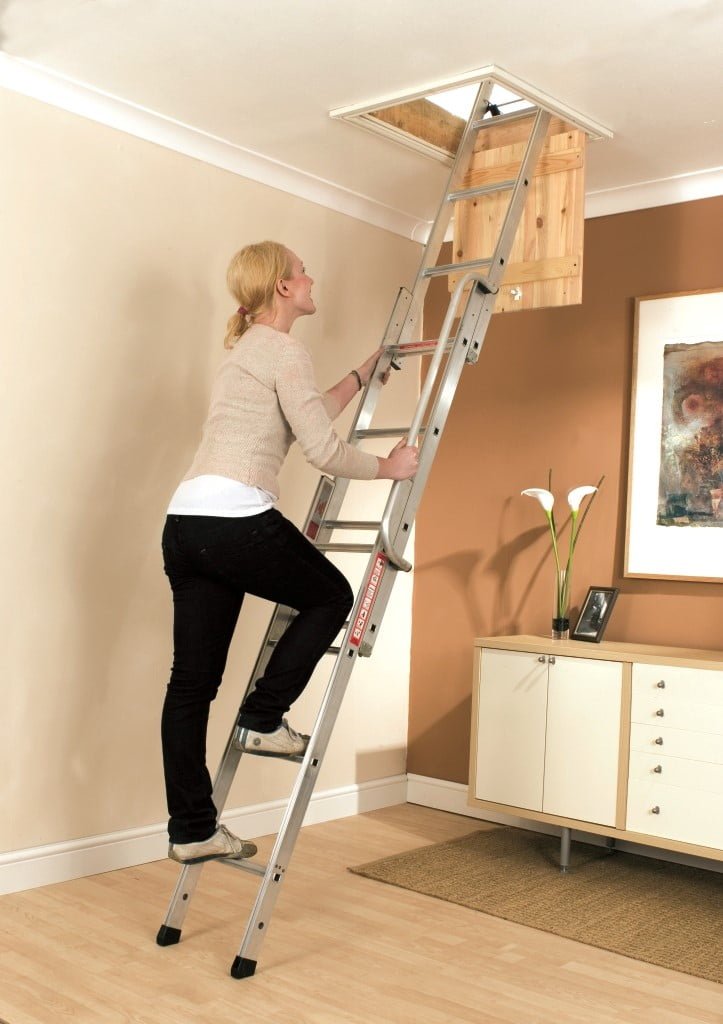
If you want to use your loft for storage, proper access is essential. A suitable loft hatch makes lifting items easier, improves safety, and encourages regular use of the space. Many homes still rely on small or awkward hatches that restrict movement and limit storage potential.
A loft hatch does more than provide entry. It affects insulation, draught control, and fire safety. It also determines how comfortably you can use loft ladders and flooring systems. Choosing the right hatch and fitting it properly can turn your loft into a practical storage area rather than a space you avoid.
Types of Loft Hatch Available
There are two main types commonly used in UK homes. Each suits different access needs and loft layouts.
Push Up Loft Hatches
These open upwards into the loft space. The door stays clear of the room below, which makes this option suitable for areas with limited floor space. Hallways and landings benefit from this design as it avoids obstruction in busy walkways.
Because the hatch sits flush when closed, push-up designs often offer a tighter seal. This helps reduce heat loss and draughts. They are often well insulated and feel secure, which suits homes where the loft is accessed frequently.
Drop Down Loft Hatches
They open downwards once the latch is released. Gravity helps lower the door, which makes operation simple. This style suits lofts with limited headroom because the hatch door does not take up space inside the loft.
They are commonly made from timber or plastic. Timber drop-down hatches are popular as they can be painted to match the ceiling. While many standard models offer lower insulation, this can be improved with added insulation and proper sealing.
What to Consider Before Replacing a Loft Hatch
Before considering replacing your loft hatch, several practical factors need attention.
Loft Opening Size
Measure your existing loft opening before choosing a hatch. Some models fit standard sizes, while others require the ceiling aperture to be adjusted. In some cases, a supporting frame needs to be installed to ensure the hatch sits securely.
If you plan to store bulky or heavy items, a wider opening makes access easier. This is especially effective when combined with a raised loft storage floor system, which creates a stable platform for safe movement and helps protect insulation below stored items.
Loft Hatch Material and Fire Safety
Material choice affects both appearance and performance. Timber hatches suit homes where visual consistency matters. They are easy to decorate and blend well with painted ceilings.
Fire safety should also be considered. A fire-rated loft hatch helps slow the spread of fire when closed and adds reassurance. This is particularly important when the loft sits above a hallway or stairwell used as a main escape route.
Insulation and Draught Control
Heat loss through the loft hatch is common in many homes. Even modern hatches vary in insulation levels. Thermal performance can be improved by securely fixing insulation to the top of the hatch panel.
An airtight seal around the edge of the hatch is just as important. Compression seals or foam strips fitted around the perimeter help prevent draughts and maintain a stable indoor temperature. This simple upgrade can improve comfort and reduce heating costs.
Ease of Operation and Clearance Space
Most hatches are opened by hand or with a pole. Make sure there is enough clearance below the hatch for the door and loft ladder to open fully.
Inside the loft, allow space for the ladder when folded and avoid storing items close to the opening. Planning this early reduces wear on the hatch and improves safety during use.
Understanding the Loft Hatch Installation Process
Correct installation is key to long-term performance. Poor fitting can cause gaps, sticking panels, or ceiling damage. For a clear overview of what is involved, refer to a detailed loft hatch installation guide that explains the fitting process step by step and highlights common issues to avoid.The guide helps you decide whether installation suits a DIY approach or if professional fitting is the better option. Many homeowners choose expert help to ensure the hatch meets safety and building standards. You can find trusted local professionals through a directory of approved loft hatch installers who are trained to carry out the work correctly.
Choosing the Right Loft Ladder for Your Hatch
A loft hatch works best when paired with the correct ladder. The ladder should suit the hatch size, ceiling height, and available clearance. Using the wrong ladder can make access difficult and unsafe. There are several options available, including sliding, concertina, and timber folding designs. Our full range of loft ladders, designed for safe access, helps ensure the ladder works smoothly with your chosen hatch.
Safe Use of Your Loft Hatch and Ladder
Once your new hatch and ladder are installed, safe use matters. Regular loft access means treating both as permanent parts of your home.
Follow these safety rules to reduce risk:
- Do not swing the hatch open without control
- Do not hang from or place weight on the hatch frame
- Do not store items on top of the hatch panel
- Keep the loft opening clear inside the loft
These habits help protect the hatch, ladder, and ceiling while reducing the risk of injury.
Learning How to Use Your Loft Space Safely
If you prefer visual guidance, watching demonstrations can be helpful. Our instructional YouTube channel, focused on loft access and storage solutions, provides clear videos showing safe setup, flooring installation, and best practices for everyday use.
These resources are useful if you want to understand how different loft components work together before making changes.
Making Better Use of Loft Storage Space
A loft hatch is most effective as part of a wider storage plan. Adding a raised loft flooring system for safe storage allows you to store items without compressing insulation beneath. When combined with the right hatch and ladder, this creates a loft space that feels stable and easy to use.
Think about how often you access the loft. Seasonal items may only need occasional access, while everyday storage benefits from wider openings and clear walkways. Matching your setup to your storage habits improves long-term usability.
Planning Your Loft Hatch Upgrade
Whether you need a replacement hatch, a larger opening, or a new location, planning makes the process smoother. Measure carefully, choose materials that suit your home, and consider access, insulation, and storage together.
A well-chosen loft hatch improves safety, comfort, and ease of use. It also helps unlock the full potential of your loft, turning unused roof space into practical storage you can rely on.